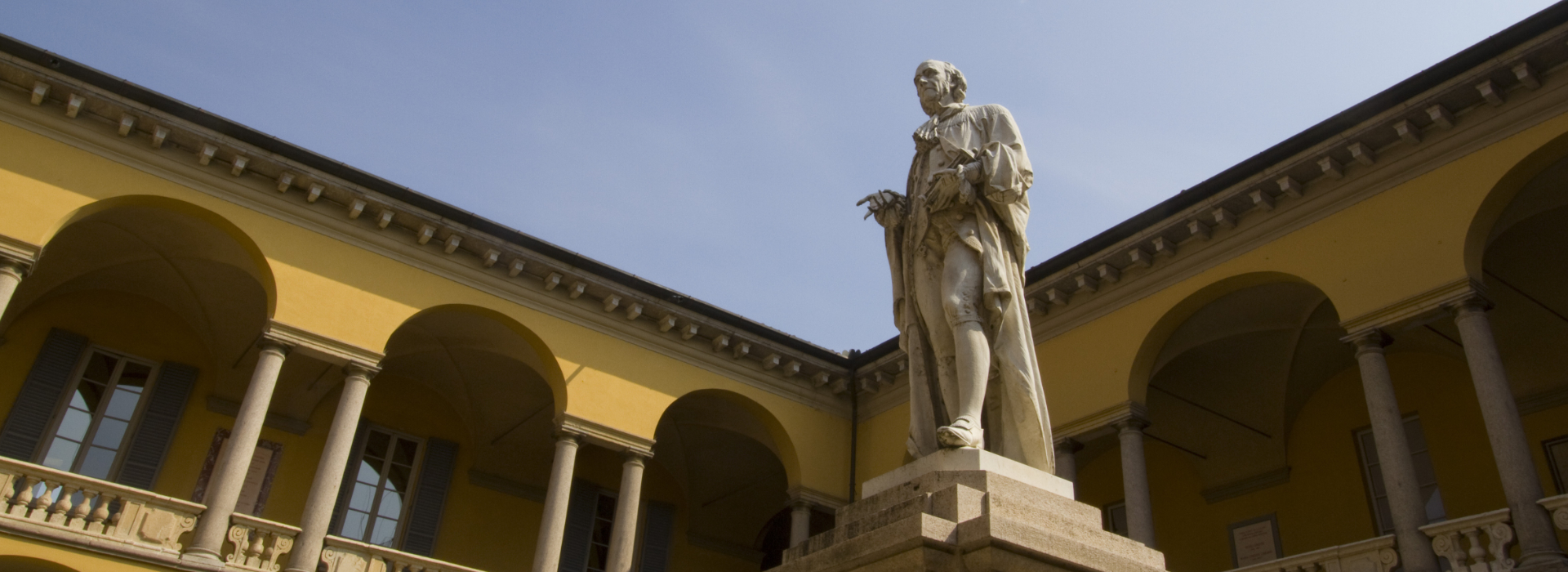
The University of Pavia is one of the oldest universities in Europe, with roots dating back to 825, when Emperor Lothair established a school of rhetoric in the city. It officially became a Studium Generale in 1361, attracting students from across the continent for its renowned law and humanities programs.
The university flourished in the 18th century under the reforms of Maria Theresa and Joseph II of Habsburg. It has been home to many distinguished scholars, including Gerolamo Cardano (mathematics and mechanics), Lazzaro Spallanzani (natural sciences), Alessandro Volta (physics and electricity), and Camillo Golgi, who won the 1906 Nobel Prize in Medicine. Two other Pavia professors, Giulio Natta (chemistry) and Carlo Rubbia (physics), have also received Nobel Prizes.
Today, the University of Pavia is a research-oriented institution with 18 departments, 85 degree programs, and a strong international network. It supports over 24,000 students across its Pavia and Cremona campuses, offering personalized career guidance, 400+ international agreements, 700+ Erasmus partnerships, and extensive internship opportunities. Unique in Italy, its 18 university colleges create a dynamic and interdisciplinary learning environment, preparing students for global careers.
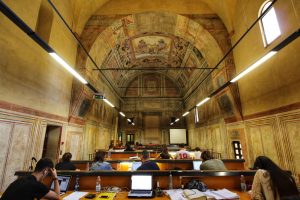
The Department of Economics and Management was established in 2012 through the merger of the existing Department of Economics and Quantitative Methods and Department of Business Research of the University of Pavia. The Department is housed in the San Felice Monastery building (in via S. Felice, 5) which is said to have been founded by the last Lombard monarch: King Desiderius with his wife Ansa (VIII century a.d.).
What is known today as a Department followed on from the first Business schools of the mid 1800s, it then became a Business and Economics Faculty and was still known as such until 1963 when the Pavia Faculty was set up. The recent reforms have eliminated faculties in favour of departments and this has meant a radical change in the way undergraduate degrees are organised, creating first and second level degree courses (three year bachelor courses followed by two year masters).
In recent years, the Department has particularly increased its international activities, achieving very good results. We have increased the number of exchange students and exchange opportunities (Erasmus and Double Degree Programmes), and we have developed two second level degree courses (Laurea Magistrale) totally taught in English, and many other international activities.